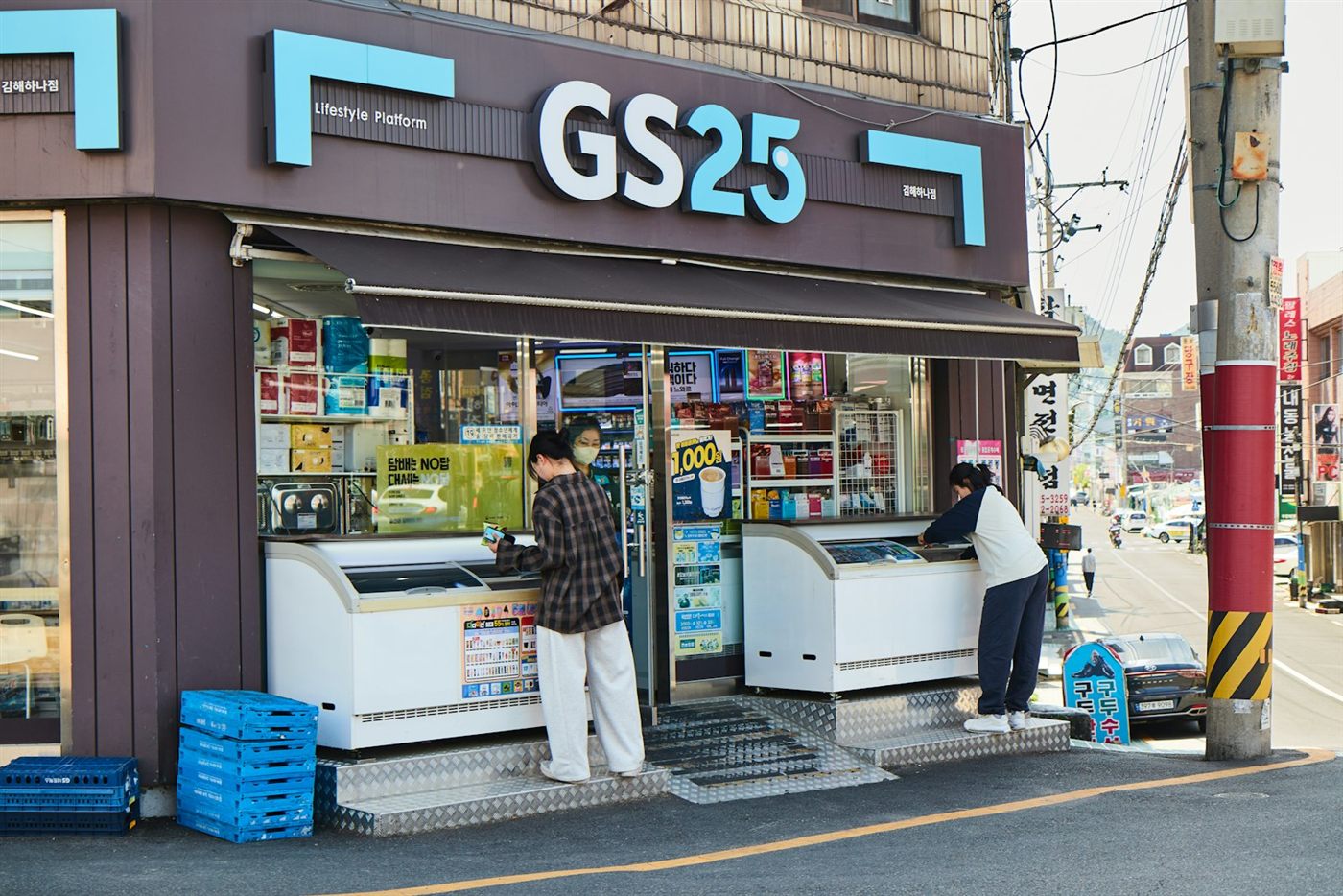
It is Friday night, the cafe is full, and a student in a black apron is carrying four cups at once. She is doing everything right: her shift is within her hours, her permit is in her bag, and her manager knows both. Beside her, a friend who started last week without asking anyone is quietly hoping nobody checks. The difference between those two people is not Korean ability or luck. It is one step taken before the first shift.
Many students want a part-time job to cover rent and food. In Korea it is possible, but it is a permitted activity, not a right. You need approval before your first shift, the hours depend on your visa and your Korean level, and the penalties for skipping the step are serious. Here is how it works as far as we could confirm.
What the permit is called
The formal name is permission for activities outside your status (체류자격 외활동허가). The official HiKorea page says work outside your status needs prior permission, that a short-term visa of 90 days or less cannot get it, and that it will be refused if hours or pay exceed what the rules allow. That page is dated 2013, so the numbers below come from newer summaries.
A permit is a permission, not a receipt.
This matters because the consequences listed later in this article, including the reported deportation and visa cancellation, fall on the student, not only on the employer. A student who has kept every approval and every contract usually has nothing to explain if a question is ever asked. The paperwork is tedious, but it is also your own evidence.
How many hours, by visa and Korean level
The core of the system is a table of hours per week. The base column applies if you do not meet the Korean criterion, the next if you do, and the bonus tier needs something extra.
| Visa and stage | Korean criterion | Not met | Met | Bonus tier |
|---|---|---|---|---|
| D-4 language course (after 6 months) | TOPIK 2 or KIIP 2 | 10 h | 20 h (agency) or 25 h (university) | 25 h |
| D-2 associate degree | TOPIK 3 or KIIP 3 | 10 h | 25 h on weekdays | 30 h |
| D-2 bachelor, years 1-2 | TOPIK 3 or KIIP 3 | 10 h | 25 h | 30 h |
| D-2 bachelor, years 3-4 | TOPIK 4 or KIIP 4 | 10 h | 25 h | 30 h |
| D-2 master or PhD | TOPIK 4 or KIIP 4 | 15 h | 30 h | 35 h |
Hours per week. The bonus tier is not automatic: it can need a certified university, a top grade last term, or TOPIK 5 or KIIP 5. D-4 hours differ between an agency summary (20) and a university page (25), so confirm yours at HiKorea or 1345. Summary of the ministry manual as reported by an agency; the official manual was not read.
Three details matter. D-4 language students may apply only after about six months in Korea, and the university we checked asks for attendance of at least 90 percent. D-2 students who meet the Korean criterion can work longer on weekends, holidays and vacations, but D-4 students do not get that exemption. And Korean ability can be shown with TOPIK, the KIIP social integration programme, or a Sejong Institute level. Since July 2023 associate and bachelor students have had 25 hours instead of 20.
Two worked examples
Take a first-year bachelor's student. With TOPIK 3 or KIIP 3 she falls in the met column and may be approved for 25 hours a week; without it, 10. That is a difference of 15 hours, which at any wage is a different month. Now take a language-institute student at the six-month mark. With TOPIK 2 or KIIP 2 she moves from 10 hours to 20 on one summary or 25 on a university page, and the sources disagree, so she should confirm her own figure at HiKorea or 1345 before planning her rent around it.
The pattern is the same everywhere in the table. Korean is not required to apply, but each step up in level moves you up a column. For a student who wants to work, language study is not a separate project from earning a living; it is the cheapest way to earn more of one.
- 10 h
- base weekly hours for most students who do not meet the Korean criterion
- 25 h
- weekly hours for D-2 bachelor students who meet it (30 h in the bonus tier)
- KRW 20,000
- reported fee for the permit application
How to apply, step by step
The sequence is short, but the order matters. Doing the steps out of order is the most common way students end up with a receipt and no permission.
1. Find a permitted job
Choose work on the allowed list and get a standard labour contract (표준근로계약서) from the employer.
2. Ask your school
Your international office confirms your enrolment and attendance, and some schools may check your Korean level.
3. Apply on HiKorea or at the office
The fee is reported as KRW 20,000. A receipt is not permission. Do not start until the approval arrives.
4. Keep within your hours
Hours are counted across all employers, and the employer is liable too.

What kind of work
Not every job is open to students. The ministry manual, as summarised by an agency, lists what is usually allowed and what is usually not.
| Usually allowed | Usually not allowed |
|---|---|
| Cafe and restaurant help | Construction and seafaring |
| Shop sales and duty-free sales | Manufacturing (case-by-case exceptions at TOPIK 4 and above) |
| Event, office and tour help | Private tutoring and conversation lessons |
| Interpretation assistance | Delivery, courier, proxy driving |
| Study-linked assistance, vacation internships | Insurance sales, door-to-door sales, dispatch work, entertainment venues |
Agency summary of the ministry manual. Some manufacturing exceptions need a prior permit. Ask the HiKorea hotline about a specific job before accepting it.
Teaching your own language privately is on the restricted list because that is E-2 work, and the visa for it is different. A student cannot turn conversation lessons into pay.
When in doubt, ask before you accept. A job offer that sounds simple, a delivery shift or a tutoring favour, can fall on the wrong side of the list, and it is the student who carries the consequences along with the employer.
If you skip the permit
The rules are not gentle. We list what we found, official sources first.
Legal penalty
Up to 3 years in prison or a KRW 30 million fine under the Immigration Act. Study in Korea lists this for unpermitted work, and the employer can be punished too.
University page
The Korea University Korean Language Center lists a KRW 1 million fine or deportation. The statute sets much higher maximums, so please do not read the lower figure as the limit.
Visa consequences
Deportation and cancellation of your visa are reported, which is why students can lose far more than the wage.
Changing workplace
Adding or changing a workplace without prior permission can cost up to KRW 10 million. Failing to report a change within 15 days can cost up to KRW 2 million.
Students can lose far more than the wage.
Wages must also meet the legal minimum, which one agency reports as KRW 10,320 per hour in 2026. We have not read the labour ministry notice, so confirm the figure before negotiating.
What may change
If you plan to work, build your Korean toward TOPIK 2 or 3 in the first year. It is the cheapest way to raise your hours, and it also helps you understand your contract and your shift manager.
A teacher's short list
Before arrival
Read your school's visa page and note the attendance rate it asks for. Korea University's language centre asks for about 90 percent.
In the first term
Sit TOPIK or KIIP when you can. Either one moves you from the lower hours column to the higher one.
Before every new job
Confirm the job is on the allowed list, get the standard contract, and keep your total hours across all employers within the limit.