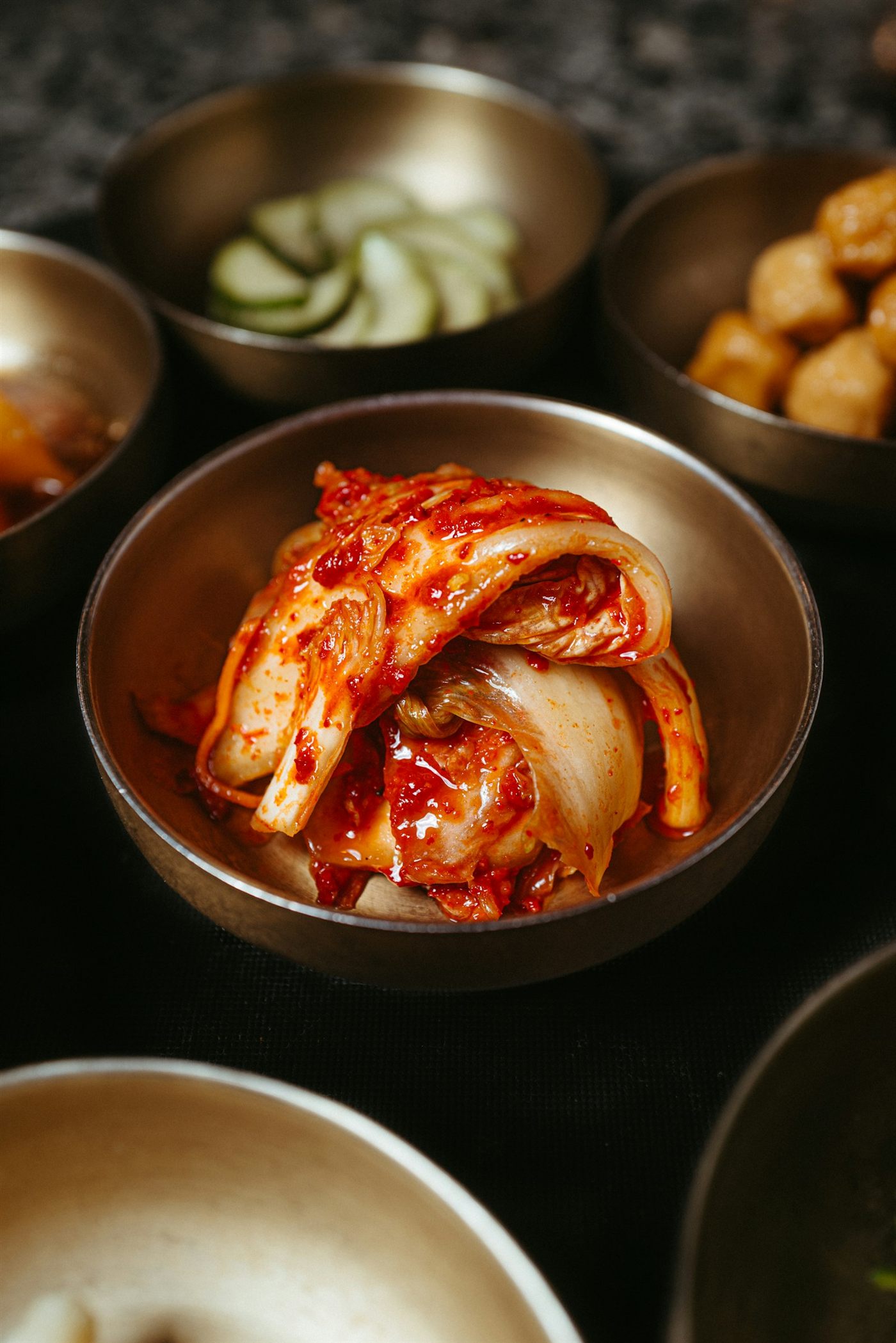
Month-end in a small room near campus. A student sits on the floor with a phone calculator and three receipts: a canteen lunch, a top-up for the prepaid SIM, a transport charge. She is not in trouble. She is doing what every newcomer does in the first weeks, trying to learn what a month in Seoul actually costs, and discovering that the internet offers a dozen answers and no two agree.
We, the Haeyo teachers, would love to hand you one tidy number. We cannot, because most public figures online come from agencies or old blog posts. Below we use only ranges that have a source, label each one, and leave out what we could not check. Treat every line as a starting point to confirm with your school.
Where you sleep
Housing is the biggest line and the least certain one. Korean students themselves are feeling it: Korean media in February 2026 reported cramped housing and record rent as students struggled to find places.
University dorm
A shared double with private bath was USD 700 to 900 per 3 months at language programmes (agency article from 2022, updated 2024, so old). Korea University's Frontier Hall double was 1,540,000 won per semester in 2025, an agency figure that includes its fee.
Goshiwon (고시원, small private room)
USD 400 to 500 per month with private bath and utilities included, from the same old agency article. Another report quotes 900,000 won for a studio and 600,000 won for a goshiwon, but that figure is unconfirmed.
One-room (원룸, studio)
Seoul university-area studios average about 625,000 to 710,000 won per month (community blogs). Near Ewha, 700,000 to 900,000 won (Korea Times).
Read the three cards as a ladder of trade-offs rather than a price list. The dorm is usually the cheapest to start and the simplest to leave, but places can be limited. The goshiwon (고시원) is small and flexible. The one-room studio gives the most freedom and the most risk, because of the deposit, the contract and the landlord you must understand in Korean. Two of the three prices come from agencies or old posts, so take them to the school or landlord as a question, not as a fact.
We publish no deposit figure because we found no reliable source.
A 보증금 (bojeunggeum, refundable lump-sum deposit) is paid on top of monthly rent in most studios and returned when you leave. Amounts vary widely, and we publish no number because we found no reliable source. Ask any landlord to confirm the amount in writing.
Everyday costs
After housing come the small, steady lines: food, phone, insurance, transport. Some of them you can estimate. Others, honestly, we cannot.
| Item | Range we found | Label |
|---|---|---|
| Meals | USD 3 to 6 per meal (canteen 3 to 4, set lunch 5 to 6) | agency, old |
| Prepaid phone | USD 30 to 40 per month, unlimited data | agency, old |
| Health insurance (NHIS) | About 79,000 won per month in one undated article; current amount unconfirmed | media plus unverified |
| School insurance | Included at Ewha; about 25,000 won per term at Kyung Hee | official and agency |
| Transport | unverified. The old Seoul 30-day climate pass ended on 1 October 2026 per Korean media; whether the replacement scheme covers international students is unconfirmed | unverified |
| Proof of funds for the visa | About 10,000,000 won (language), 20,000,000 won (degree), per a 2023 ministry rule; may have changed | official 2023 |
Check nhis.or.kr (1577-1000) and your school's finance office for current numbers.
Two lines deserve a comment. Health insurance is one: a university notice gives KRW 79,320 a month for international students in 2026, and D-2 students are enrolled immediately while D-4 general language students join after six months, but the insurance corporation's own page was not read. Transport is the other: the old Seoul 30-day climate pass ended on 1 October 2026 per Korean media, and whether the replacement scheme covers international students is unconfirmed.
The money you show before you arrive
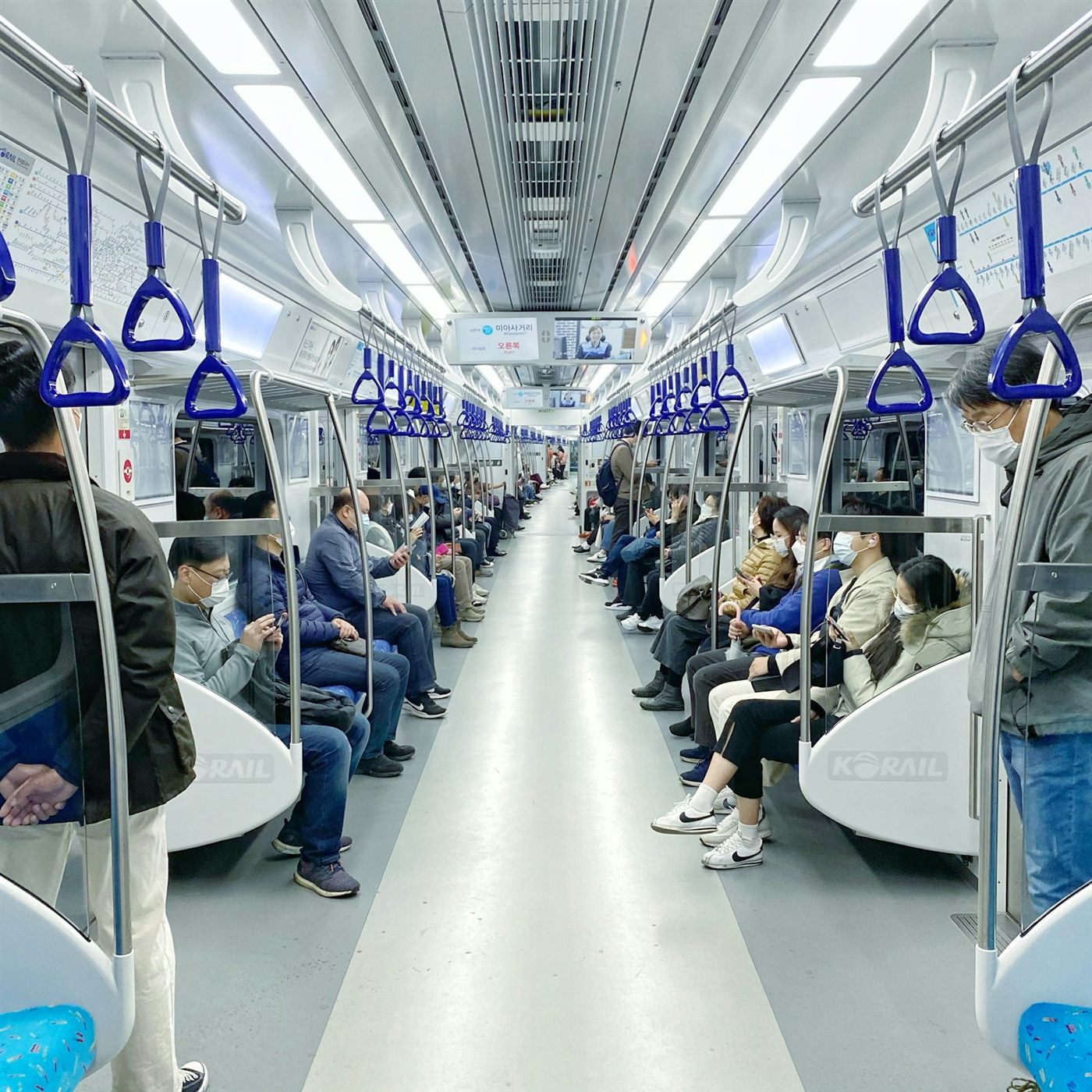
Before any of the monthly costs, there is a single large number: proof of funds. The visa asks you to show a bank balance, and the figures we found are about 10,000,000 won for language study and 20,000,000 won for a degree, per a 2023 ministry rule that may have changed. University pages quote roughly 10 million won for a language visa too. The safest habit is to ask the school's international office for the current figure, and then confirm with the embassy or HiKorea before you move any money around.
Insurance is the other early surprise. Some schools fold it into tuition, as Ewha does, while Kyung Hee charges about 25,000 won per term, which is why we keep saying to compare total bills and not headline fees.
Two example months
Our assumption for both: you buy about 40 meals a month and keep a prepaid phone. Only the USD lines are summed; the won-priced lines come on top.
| Line | Dorm route (USD) | Goshiwon route (USD) |
|---|---|---|
| Housing | about 230 to 300 (700 to 900 per 3 months, divided by 3) | 400 to 500 |
| Food (40 meals at 3 to 6) | 120 to 240 | 120 to 240 |
| Phone | 30 to 40 | 30 to 40 |
| Subtotal in USD | about 380 to 580 | 550 to 780 |
| On top, in won | NHIS about 79,000 (unverified); transport unverified | NHIS about 79,000 (unverified); transport unverified |
Built only from the agency-labelled ranges above. Real totals will differ; treat it as a planning frame.
- 380 to 580
- USD for the dorm route, summing housing, food and phone
- 550 to 780
- USD for the goshiwon route on the same lines
The two routes overlap, and that is the honest finding: a cheap dorm month and a pricey goshiwon month can be about USD 300 apart, while the won-priced lines on top are unknown for both. This is a planning frame, not a budget you can hand to a bank.
Ways to keep the month calmer
Ask what is already included
Some schools fold insurance into tuition (Ewha does), so compare the total bill, not just the headline fee. Ask the school which dorm costs and fees are extra before you commit.
Compare dorm and outside housing
A dorm often costs less up front and removes the deposit problem, but places can be limited and first come, first served. Outside housing gives more freedom and more risk, so read the contract with a Korean-speaking friend or your school's office.
Check the funds rule early
The visa asks you to show a bank balance. The figures we found are from a 2023 ministry rule and may have changed, so confirm with the embassy or HiKorea before you move money around.
Compare the total bill, not the headline fee.
Build your own month in four steps
Our two example months are a frame, not an answer. The most useful thing you can do is replace our ranges with your own quotes, one line at a time, until the last blank is filled.
1. Ask for the total
Ask the school for a written total for one term: tuition, fees, insurance and dorm if you want one. Compare totals, not headlines.
2. Fix the biggest line
Decide your housing route first, since it is the largest line and the most uncertain. Ask for the deposit amount in writing.
3. Add the small lines
Food, phone and transport are the lines you control. Use our ranges as a start and replace them with what you actually spend in the first month.
4. Leave a buffer
The proof-of-funds figure and the won-priced lines are the places where numbers change. Keep room for them.
The Korean that saves money
Here is the teacher's note that no budget table contains. Every line above gets cheaper or calmer when you can handle it yourself in Korean. Ordering a set lunch and reading the price on the menu, asking a landlord whether the maintenance fee is inside the rent, understanding a phone plan before you sign, reading the clauses of a rental contract: each is a small conversation, and each is covered at the beginner levels.
A student who can say the price back, ask whether a fee is included and read a short clause aloud is a harder person to overcharge and a more pleasant person to deal with. That is not a promise about any particular deal, only an observation from watching newcomers over time. You do not need fluent Korean for any of it. You need numbers, a few polite questions and the confidence to ask for something to be repeated. That is a realistic goal for the first months, and it is the point where a student month stops feeling like guesswork.