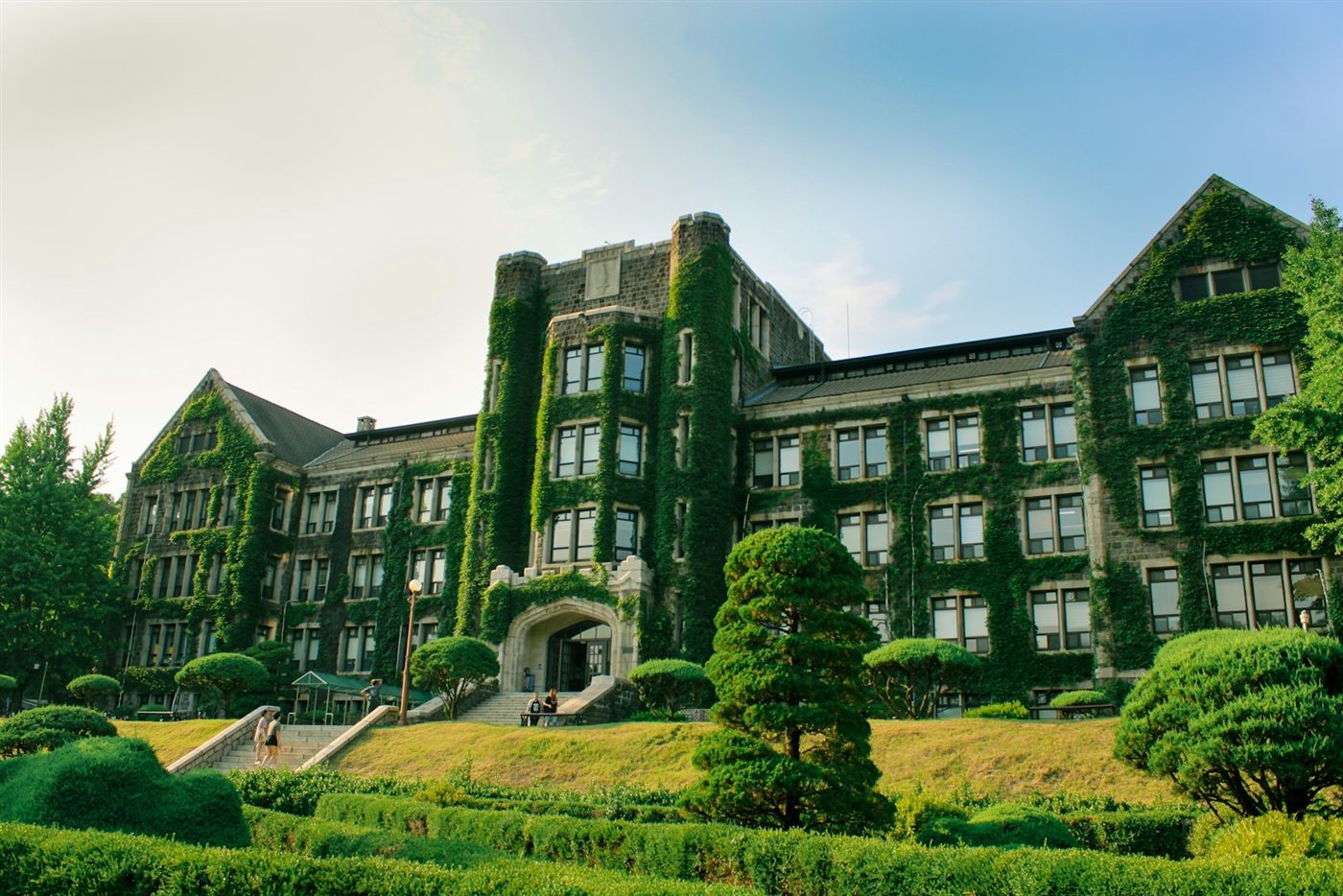
It is 8:40 on a weekday morning, and a few hundred people from a dozen countries are climbing the same campus hill, coffee in one hand, a thick Hangul workbook in the other. A language institute (어학당, eohakdang) at a Korean university looks like an ordinary school day, and for many newcomers it is the quietest, most structured way to start a life in Korea. You enrol at a university, receive a D-4-1 student visa, and study Korean full time.
We, the Haeyo teachers, have put together what is normal, what costs money and what is still unconfirmed. We are not an agency and earn no commission from any school listed here.
How a year works
Most institutes run four terms a year, starting around March, June, September and December. A term lasts about ten weeks at roughly four hours a day, five days a week, which adds up to around 200 hours. There are six levels, and finishing all six takes about a year and a half. The six-level, 200-hour pattern comes from an agency directory with no date, so schools differ and you should read the calendar on the institute's own page.
Terms
Most run four terms a year, starting around March, June, September and December.
Length
About 10 weeks each, roughly 4 hours a day, 5 days a week, so about 200 hours per term.
Levels
Six levels; about 1.5 years to finish all six.
Visa rule
A D-4-1 visa generally needs enrolment of six months or more, meaning two terms.
That last row matters more than it looks. A D-4-1 visa generally needs enrolment of six months or more, which means two terms. A single ten-week term is rarely enough for a long visa, and a few schools offer short summer courses that carry different rules.
Treat the language year as a bridge, not a destination.
How to apply
Begin by picking two or three schools and reading each official page, not just an agency summary. Then work through the same four steps almost everywhere.
1. Shortlist
Pick two or three schools and read each official page before you contact anyone.
2. Watch the window
The application window usually runs two to four months before the term starts. SNU, for example, collects documents roughly two to three months ahead and holds a placement test the month before.
3. Prepare documents early
D-4 applicants at Ewha must have originals arrive about two weeks before the tuition deadline. Some schools have added measles and TB proof (an agency reports this for Kyung Hee), so ask.
4. Pay, then apply for the visa
Pay tuition, receive the admission letter, then apply for the visa. Classes can close early when full: Yonsei closed one spring morning section early and Ewha warns the same.
The practical lesson is to start earlier than you think you need to. Paperwork travels by post and embassies have queues, and the term you wanted can fill before your visa appointment comes up.
Who this route suits
An institute suits you if you want Korean as your main task for a year, with a timetable that someone else sets, classmates who are all beginners together, and a campus to anchor you. It suits you less if you already read Korean comfortably and want to start a degree, or if you must earn money from the first month, because part-time work is restricted for language students in their first six months.
It also suits people who have not decided. A year of full-time Korean shows you whether you like the country, which city feels right and which field you might study, before you commit years and tuition to a degree.
Ask the school
Does the quoted tuition include the admission fee, insurance and textbooks? What happens to my fees if I withdraw?
Ask the school
How is my placement level decided, and can I join in the middle of a year if I miss a term?
Ask the school
What attendance rate do you require to extend the visa and to apply for a part-time permit?
What it costs
For a ten-week term, Seoul agency listings cluster around 1.5 to 1.9 million won and regional schools around 1.1 to 1.4 million. These are agency ranges; the official figures we found are marked in the table below. Dorms exist at several schools, often first come, first served. Agencies earn commissions, so check the school's own page before paying.
Agencies earn commissions, so read the school's own page.
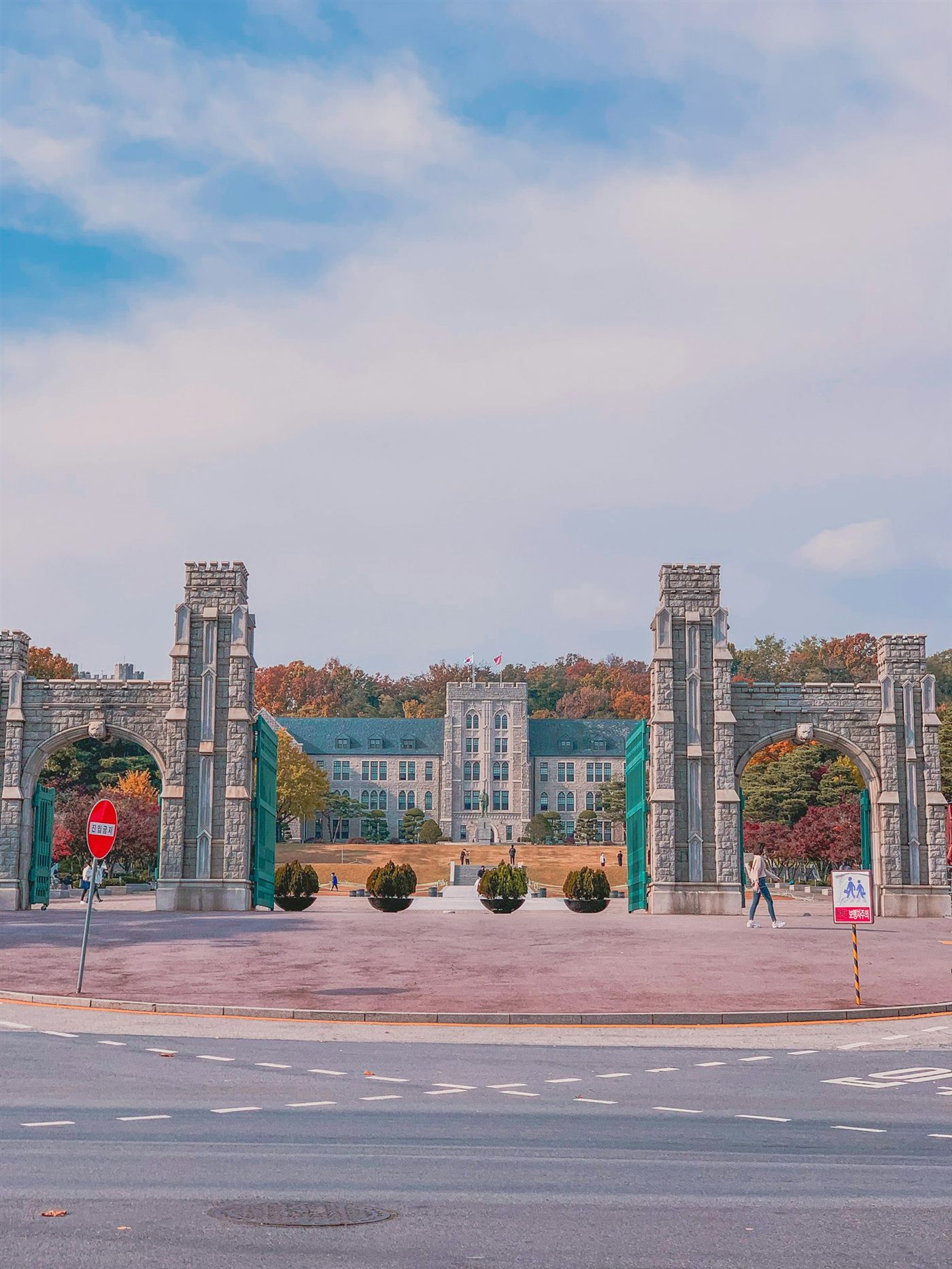
The two-year cap
The two-year figure is repeated by several universities, but we found no ministry text and cannot confirm exceptions. If you plan to stay longer, plan the next step, usually a degree, before your second year begins. Our visa guide in this issue explains how the statuses connect.
Compare the institutes
Below is the table we wish we had when we started. Official means the school's own document; agency listing means a commercial site that may be outdated or include agency fees; ask the school means we could not confirm. Prices change every year, and some schools raised theirs for 2026.
| Institute | City | Tuition per term (KRW) | Hours/day | Dorm |
|---|---|---|---|---|
| SNU LEI | Seoul | 1,650,000 to 1,800,000 (agency listing); evening course 660,000 (official) | ask the school (evening 60 h/10 wk) | Yes, 2 sessions, first-year priority (official) |
| Yonsei KLI | Seoul | 1,860,000 (agency listing); 4-week summer 1,120,000 (official) | 4 | Not confirmed; none for summer |
| Korea University KLC | Seoul | 1,800,000 (agency listing) | ask the school | Frontier Hall double 1,540,000 per semester (agency listing, 2025) |
| Sogang KLEC | Seoul | 1,770,000 (2024 brochure, official); 2026: ask the school | 4 | ask the school |
| Ewha ELC | Seoul | 1,850,000 + 120,000 admission (official) | 3.8 | Yes, first come first served |
| Hanyang IIE | Seoul | 1,800,000 to summer 2026; 1,850,000 from fall 2026 (agency listing) | 4 | ask the school |
| Kyung Hee IIE | Seoul | 1,890,000 incl. 90,000 fee (agency listing) | 4 | Yes, price not given |
| Sungkyunkwan SLI | Suwon campus page only | 1,500,000 (1,550,000 from session 27-1) + 80,000 (official) | 3.3 | ask the school |
| HUFS | Seoul | ask the school | ask the school | ask the school |
| Chung-Ang ILE | Seoul | ask the school | ask the school | ask the school |
| Konkuk LI | Seoul | 1,950,000 incl. 150,000 fee (agency listing) | about 4 | Yes, price not given |
| Dongguk IKL | Seoul | 1,870,000 incl. 100,000 fee (agency listing) | about 4 | Yes, price not given |
| Hongik | Seoul | 1,850,000 incl. 100,000 fee (agency listing) | 4 | Not mentioned |
| Pusan National LEI | Busan | 1,400,000 (agency listing) | ask the school | ask the school |
| Dongseo IFLE | Busan | 1,100,000 (agency listing) | ask the school | ask the school |
| Kyungpook National KLP | Daegu | 1,400,000 for 2026; 2025 sources said 1,300,000 (agency listing, sources conflict) | ask the school | ask the school |
Official = the school's own document; agency listing = commercial site, may be outdated or include agency fees; ask the school = we could not confirm. Checked 2026-10-16. Prices change every year.
Reading the table: a price marked official can be quoted; a price marked agency listing is a hint to take to the school and check. Where sources conflict, as with Kyungpook National's 2026 figure, we show both sides rather than choose.
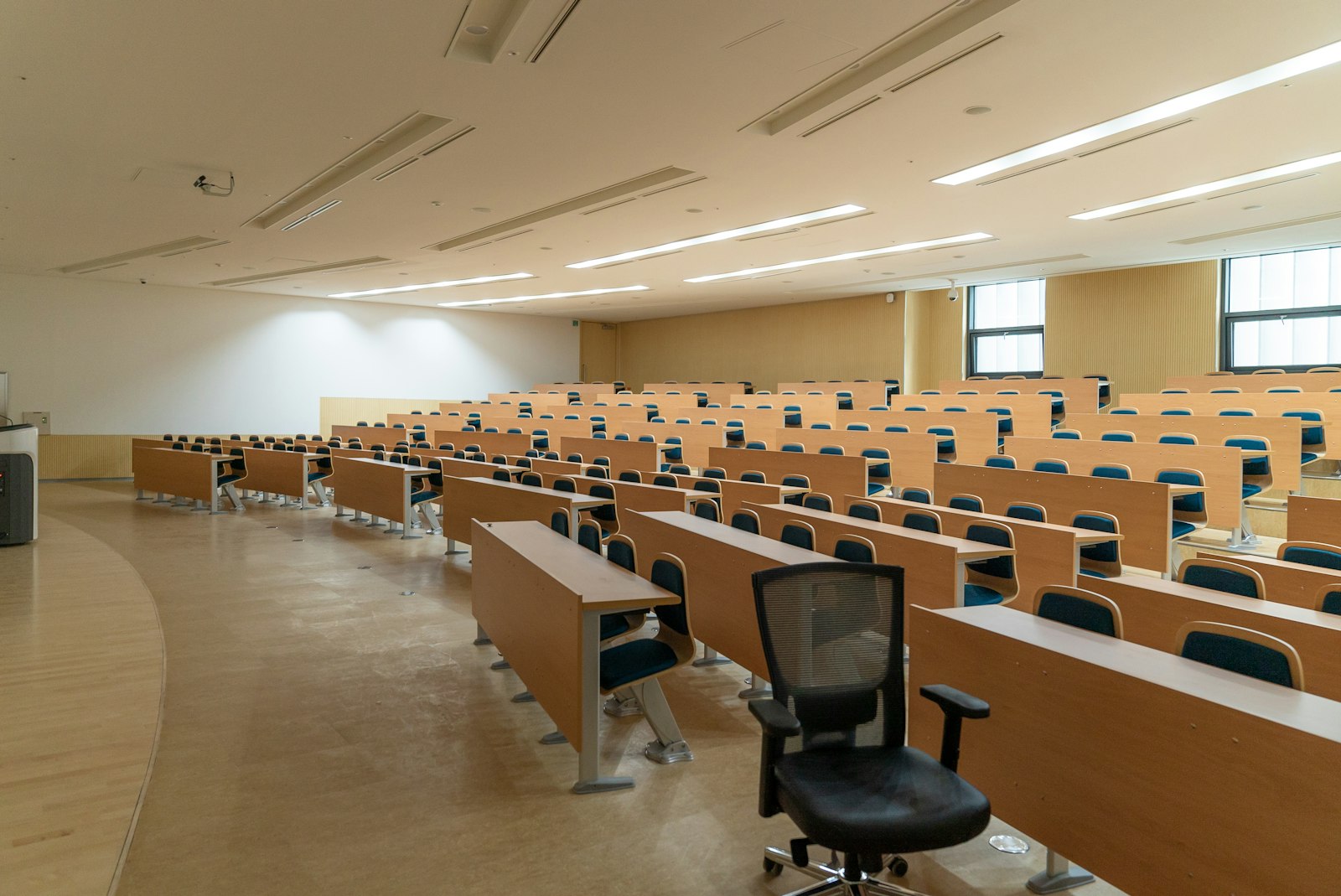
A word on reputation
We pass this on because you will hear it anyway. Treat it as a conversation starter for the school's open day or online info session, not as a ranking.
One more teacher's observation. The students who enjoy their first term most are rarely the ones with the best accent on day one. They are the ones who can already sound out Hangul, say hello properly and ask someone to repeat a sentence. That early confidence frees up the four hours in class for listening and speaking, instead of spending them decoding the alphabet. It also makes the placement test less stressful, because you spend your energy on the questions rather than on the letters.
If you have a few months before your term starts, use them. Learn to read Hangul fluently, memorise the classroom phrases, and practise numbers, because prices, dates and room numbers all arrive in Korean on the first morning.
Before you pay
Three habits will save you the most trouble. Read the school's own page for the term you want. Ask in writing whether insurance, the admission fee and the dorm are inside the quoted price. And plan your next step before your first term ends. Ewha, for instance, includes school insurance in tuition and gives its top-performing students a 50% tuition reduction, which only shows up when you read the school's own document.