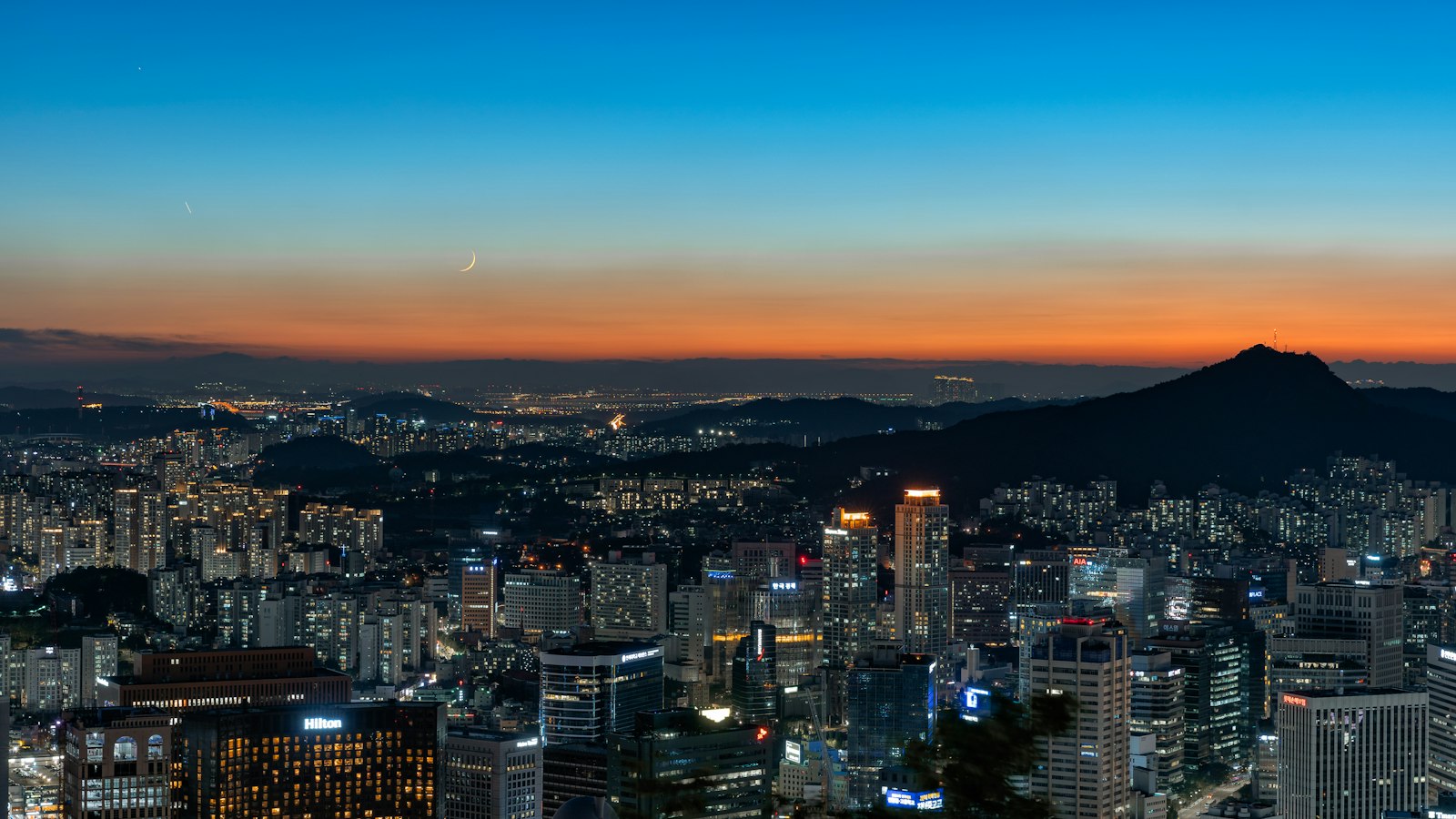
Picture a student in her second week abroad. Her morning class ends at noon, her phone says the next subway is in three minutes, and by one o'clock she is on a mountain trail inside the city limits, a bowl of something hot waiting for her afterwards. Nothing about that afternoon is unusual in Seoul. It is the ordinary rhythm of the place, and it is a large part of why so many people are now deciding on Korea.
This article is about that decision: what the numbers say, where the students are going, and what the headlines leave out. The cover story of this issue goes deep on Seoul itself, so here we keep to the argument. We, the Haeyo teachers, teach Korean every day and are biased, and we will tell you which figures are official, which are press reports and which we could not confirm.
The ranking everyone quotes
QS ranked Seoul the No. 1 Best Student City in its 2026 edition, the first time, ahead of Tokyo and London. It held the top spot in the 2027 edition too, two editions in a row. In 2027 Seoul led the university-rankings indicator, and 23 Seoul universities appear in the QS World University Rankings.
The 2027 table was close at the top. Seoul scored 100, Tokyo 98 and London 97.3, with Melbourne next on 94.8. Close scores mean the order can change next July, which is one reason we re-check this ranking every summer and tell you the date we last looked.
Number one overall does not mean cheapest.
Then came the Financial Times. In September 2026 it ran a piece calling Seoul the new Paris for university students abroad. The original is behind a paywall, so we read only Korean news coverage and repeat no rent numbers from it. NAFSA's chief executive, Fanta Aw, reportedly told the paper that more American students now pick Seoul without any family tie to Korea. That is a report of a remark, not a survey, and the article's title says Paris, not that Seoul beats Paris.
Who is actually coming
- 253,434
- international students on 1 April 2025, up 21.3% on the year before (Ministry of Education count)
- 305,329
- students at the end of August 2025 by residence status, D-2 degree plus D-4 language (Ministry of Justice count)
- 14,303
- international students in Chungbuk province in April 2026, up 35.7% from 10,537
The two national counts cannot be compared directly: the Ministry of Education counts enrolled students on a fixed date, while the Ministry of Justice counts people by visa. Both point the same way, which is up.
| Nationality (MOJ, end Aug 2025) | Students |
|---|---|
| Vietnam | 107,807 |
| China | 86,179 |
| Uzbekistan | 18,155 |
| Mongolia | 17,870 |
| Nepal | 15,515 |
| Myanmar | 8,903 |
Source: Ministry of Justice via Korea.net, as of end of August 2025; includes language trainees. Official statistic, as reported.
Not only Seoul
Korea set itself a target in 2023 of 300,000 international students by 2027, made up of 220,000 degree students and 80,000 language and other trainees. On the Ministry of Justice count it was reached in August 2025, two years early. We could not confirm that the government has published a new target since, so we do not quote one.
Growth is spreading beyond the capital. Chungbuk reported its 35.7% rise, and Gyeongbuk was reported up 39.4%. In the 2025 Ministry of Education count, students outside the Seoul area rose from 92,019 to 116,043, or from 44.0% to 45.8% of the total, and every province grew. Reports of dropouts and visa rejections in the regions exist too, so a smaller city is a trade, not a bargain.
| City | Why students pick it | Watch out |
|---|---|---|
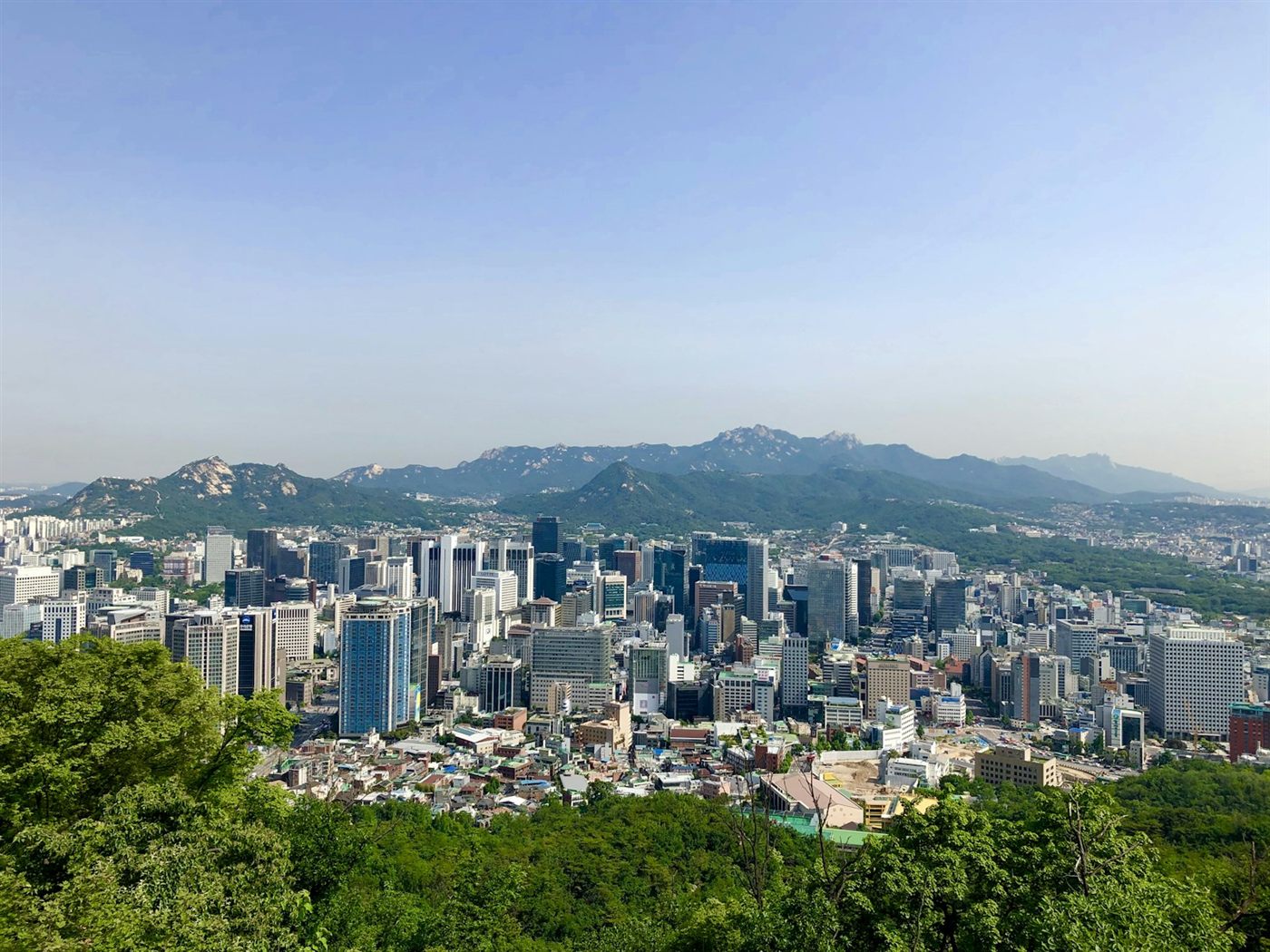
| Seoul | QS No. 1; most services in English; densest transit; biggest job pool | Highest rent and deposit; crowding; thin university integration support (Korea Times interviews) |
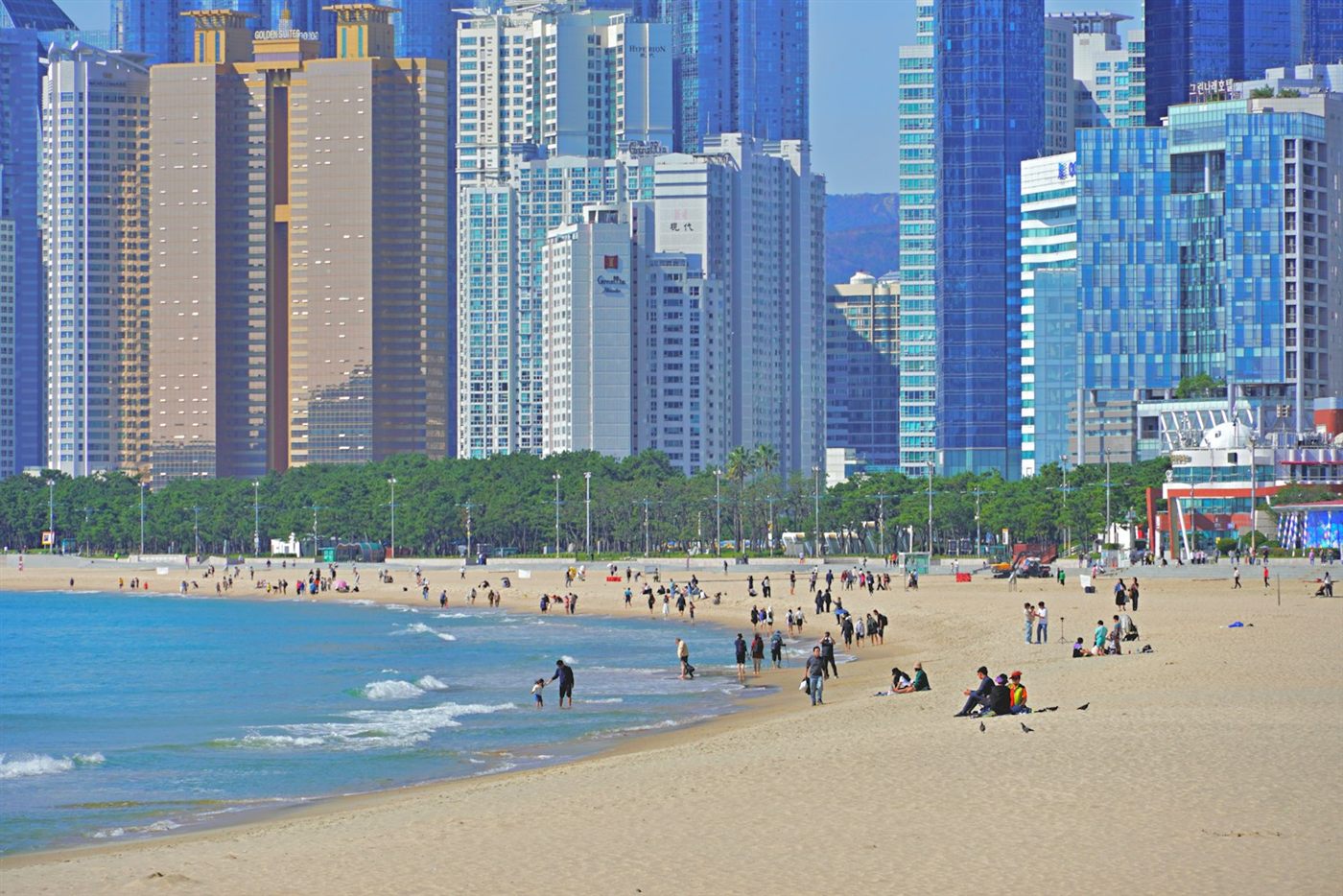
| Busan | Sea, beaches, second city | QS 2027 rank 120; fewer jobs |
| Daegu | Low cost; growing student numbers | QS 2027 rank 132; hot summers |
| Daejeon | KAIST and research hub; QS 2027 rank 67 | Smaller city; fewer non-STEM options |
| Gwangju | Low cost; arts scene | Far from Seoul; QS 2027 rank 144 |
| Chungbuk (Cheongju) | Fast growth; recruitment push | Early-stage services; some dropout reports |
City ranks are from the QS 2027 edition as reported by JoongAng Daily. Cost figures for these cities are mostly unverified, so we left them out; see our hakdang guide for what we could confirm.
How to turn a headline into a decision
Rankings and headcounts tell you the tide is moving. They do not tell you which boat to take. We find it helps to ask three plain questions. Do you want to study Korean first, or start a degree straight away? Do you need a scholarship, or can you pay? And do you want the full pull of the capital, or a quieter city where your money goes further and a classmate may become a close friend?
Each answer points to a different route: a university language institute, a degree, a government scholarship, or a first year somewhere smaller. None of them guarantees a visa, an admission or a job, and the numbers above do not either. What they give you is a reasonable sense that you are not alone in asking.
What it costs, roughly
The cheapest argument for Seoul is against the most expensive alternatives. On Numbeo's crowd-sourced figures a one-bedroom in the city centre runs USD 887 a month in Seoul, against 1,278 in Tokyo, 1,553 in Paris, 2,524 in Sydney, 2,930 in Singapore and 4,411 in New York. Numbeo has no snapshot date and we found no London figure, so treat this as a rough comparison, not a quote.
Tuition tells a similar story. Yonsei undergraduate tuition for foreigners in 2025 was about 4.3 to 8.7 million won per semester, depending on major. The same guide lists US public universities at USD 20,000 to 50,000 per year, UK universities at GBP 15,000 to 38,000 and Australia at about AUD 20,000 to 45,000. Korean fees have been rising.
The part we notice as teachers
Students who arrive with some Korean get more out of all of this. Ordering at the corner restaurant, asking the way, joining a club or reading a rental contract are all easier, and the city rewards the effort. Seoul is welcoming in a practical way, if you can speak a little of its language.
Seoul is welcoming in a practical way, if you speak a little.
Korea also has downsides: loneliness, rent, deposits, visa paperwork and an uneven welcome. Read those before you decide. Then pick a route; our guides to the language institute (어학당), visas and scholarships come next in this issue.