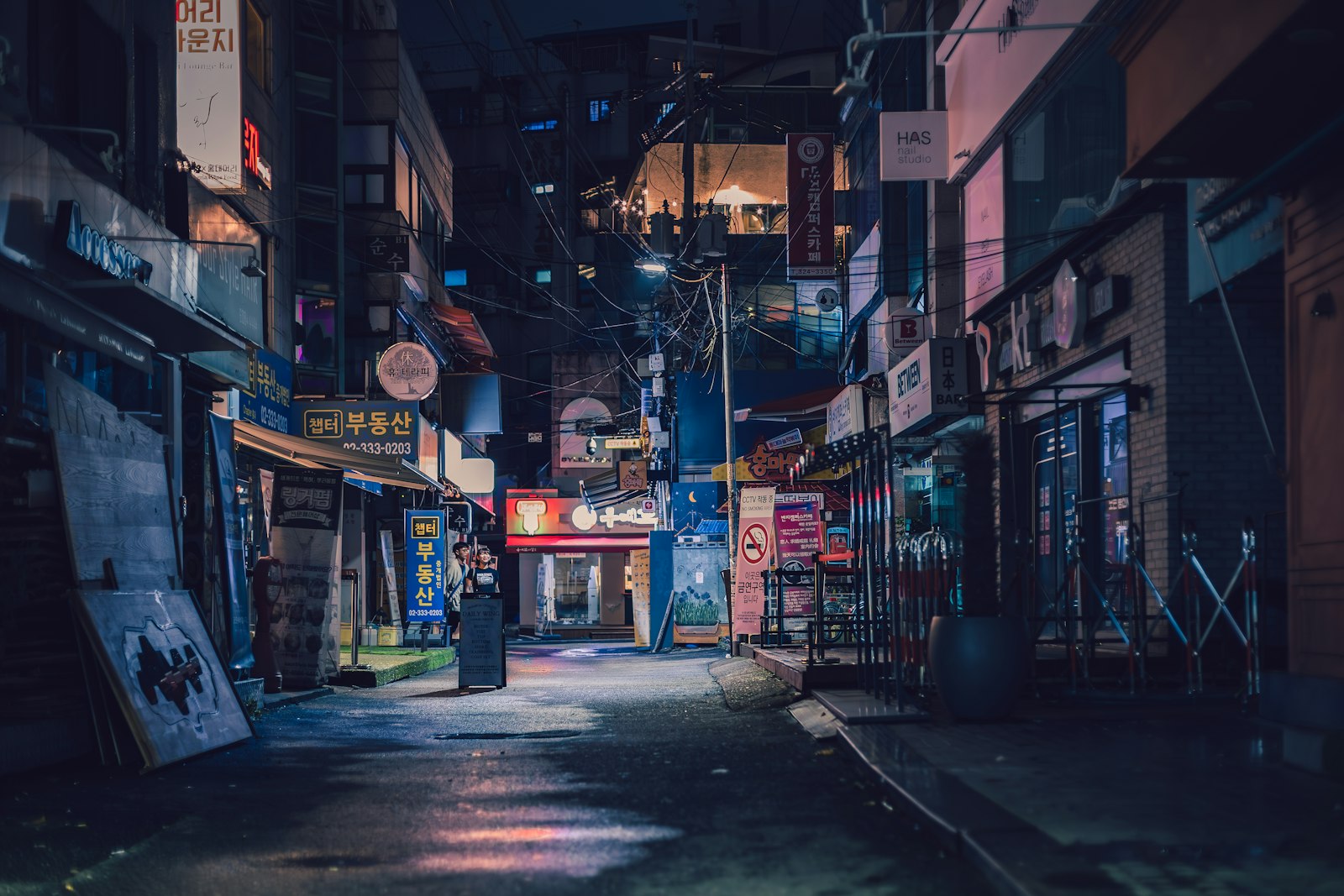
Picture the end of your first month. The classes are fine, the food is better than you hoped, and the city runs on time at any hour. Then three things land in the same week: the landlord mentions a deposit you had not budgeted for, the immigration office wants a document nobody warned you about, and you realise you have not had a proper conversation with a Korean person in ten days. None of this means you chose the wrong country. It means you have met the part of the story that brochures leave out.
We are Korean teachers, so we do not soften Korea and we do not run it down. Several of the surveys that show problems also show high satisfaction, and we print both sides. The sections below follow the order in which newcomers tend to bump into things: people first, then housing, then paperwork, then money, then the headlines.
Loneliness and the foreigner bubble
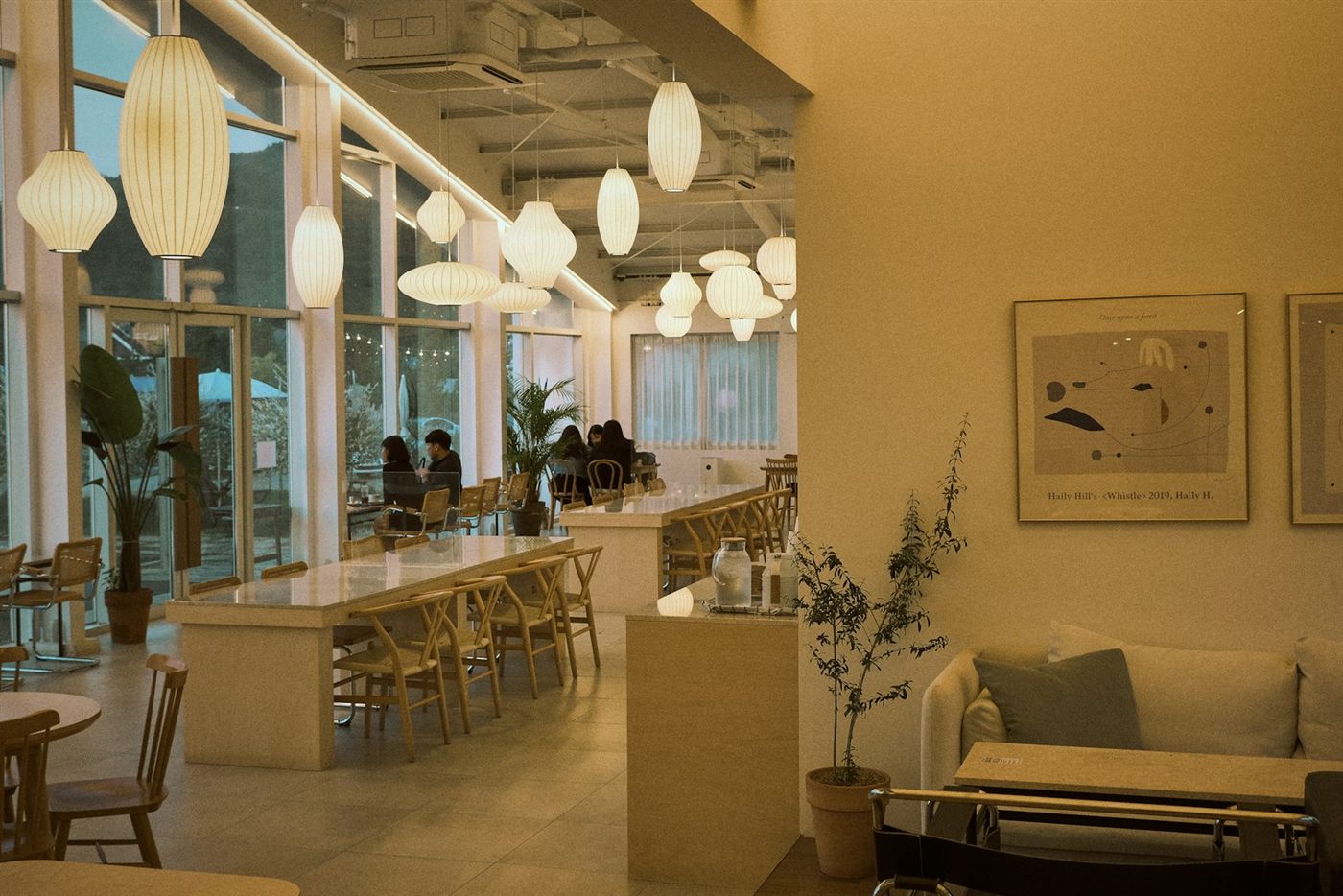
Korea's first national loneliness survey found that 38.2% of people say they feel lonely. That is a figure about the whole country, and we found no number for foreigners alone. What we do have is a Korea Times interview piece, a handful of students whose selection method is not published, describing crowded shared spaces, thin university support for language and housing, and students finding information on their own.
Many newcomers also end up socialising almost only with other foreigners. That is natural in a language institute, where everyone is in the same position, but it can make the second and third months feel smaller than the first. Treat this as a pattern people report, not a measured rate. The honest summary is that we can describe the pattern and cannot size it. If you are the sort of person who needs friends to function, plan for it the way you would plan for rent: decide early where you will meet people, and do not wait for it to happen by itself.
Discrimination, and the other half of the survey
Among foreign residents, 19.7% reported discrimination in a 2022 survey. Workplace cases made up 41.7% of those reports, streets and neighbourhoods 35.5%, and public offices 23.8%; country of origin was the top reason at 58.0%. A 2024 survey put the figure at 17.4%, with life satisfaction at 4.3 out of 5.
Discrimination is real, and most residents still report being satisfied.
Both halves of that sentence come from the same kind of survey, and we think a fair reader keeps both. One thing we could not find is a statistic on landlords refusing foreigners. There are personal accounts, and they are worth listening to, but they are not a rate. If a room falls through, ask the agent plainly why, and ask your school's international office whether they know the building.
Age, hierarchy and the team dinner
Newcomers often describe being asked their age early, speech levels that follow it, and a boss-first workplace where staying late and joining 회식 (team dinners) is expected. We found no survey we could cite, so this stays an unverified pattern. The one number nearby is from InterNations' Expat Insider 2025, which put Korea in the bottom three for working culture, and that is a survey of expats who chose to answer.
This is also where learning Korean helps most. Speech levels are grammar, and grammar can be practised. A student who knows when to use polite endings and when a friend has invited them to drop them will feel the age question as a puzzle rather than a trap.
Housing: the deposit shock
Most rentals ask for a 보증금 (deposit) that is returned at the end of the contract, often 5-10 million won for a studio, on top of rent. Reports put average university-area studio rent near 625,000 won a month, and a 2026 listing average in Seoul near 710,000 won, but blogs and listings differ, so use these as a rough frame and not as a quote. 고시원 (tiny room blocks) are cheaper, with sources ranging from 300,000 to 550,000 won, yet the label covers very different rooms.
The practical advice is boring and useful: ask what a room includes before you pay. Windows, a private bathroom, shared kitchen rules, utilities and the notice period for leaving are the usual points where two rooms at the same price turn out to be different products.
Housing: the 전세 problem
Under 전세 (a large lump-sum deposit instead of rent), a landlord who cannot repay can leave the tenant out of pocket. The ministry counted 40,936 recognised victims by 31 Aug 2026, of whom 547 (1.3%) were foreigners. The Korea Times reports that foreigners are excluded from state purchase relief and that the guarantee fund recovers about 20%.
As a student you will probably rent monthly, so this is less likely to be your problem than it sounds from the headlines. The lesson that does carry over is to check the registry and use a licensed agent, whatever kind of contract you sign.
Visa stress: renewals, the two-year cap and the new proposals
Renewals usually need a HiKorea appointment, not every status renews online, a receipt is not an approval, and leaving while an application is pending can void it. Officers can also ask for extra documents. Refusals can be challenged within 90 days. One appeal case we found involved a refused extension after a change to D-2 on a three-year cap, but reports of its outcome disagree.
A receipt is not an approval.
For the language-trainee visa (D-4-1), official student guides describe it in units of up to two years, and one university says attendance below 70% can block an extension. Agency blogs claim stricter figures, such as only six months at under 80%. We could not find the exact wording of a total two-year limit, so check your own school's notice before you plan around any figure.
On 7 October 2026 the Ministry of Justice published a draft for student visas. As reported, it points toward a Korean-language condition for part-time work around 2028 and a 1-to-3-year D-10 depending on Korean level. These are proposals, not rules in force, and dates are targets. Our Visas article has the details.
Money creep
Students describe prices rising in 2025-26. Korean media blame record Seoul rents, tuition rises and inflation for student housing stress, and we found no food price index to quote. Separately, Expat Insider 2025 put Korea 40th for personal finances, down from 15th.
One concrete change: the 기후동행카드 monthly pass ended on 1 Oct 2026, and the system moves toward the 모두의카드 (an extension of K-Pass with partial refunds above a 62,000 won threshold). Short-term passes continue. Whether international students qualify is unconfirmed, so ask at the transit desk or your school before you buy.
The things we cannot size
Some topics come up constantly and have no data we could use. People talk about humid summers, cold winters and fine dust. We did not collect air-quality or weather figures for this page, so we give none; check AirKorea and the Korea Meteorological Administration for current readings.
Newcomers say it is hard to find counselling in English. We found no source on how many English-speaking counsellors exist, so we cannot size the problem. Your university's international office is the safest first call.
Some communities also talk about relationships where one partner's stay depends on the other, which can make leaving harder. We found no data and will not guess a number. If you feel trapped, the 1345 helpline (below) can explain your options in your language.
"Foreigner crime": headlines and numbers
Prosecution data show offenders per 100,000 foreign residents fell from 1,996.7 in 2015 to 1,381.1 in 2024, about 31% lower. Police suspects rose 6.2% from 2023 to 2025 (32,737 to 34,760) while the foreign population grew, and counts change with how agencies record cases.
Headlines usually quote the absolute count. We have no comparable per-100,000 figure for Korean nationals, so we do not claim foreigners are more or less criminal. Some offence types rose slightly, and students are a separate group. Read the headline, then ask which denominator it used.
Expat Insider: one survey, honestly weighed
In the 2025 survey Korea ranked 44th of 46 countries overall, fell to 40th for personal finances, and landed in the bottom three for working culture and satisfaction. It still ranked first for high-speed internet access. This is a survey of expats who chose to answer, not a measure of everyone, and we could not open the full report.
Threads and groups people use
When you want a second opinion from people who have just done what you are about to do, these are the places we know of. They are places people talk, not endorsements, and the notes say how much of each one we actually read.
| Name | Good for | URL | Size | Note |
|---|---|---|---|---|
| r/Living_in_Korea | Daily-life questions | https://www.reddit.com/r/Living_in_Korea/ | about 130k members | size from a third-party site; not opened |
| r/Korean | Choosing a language school (Yonsei vs Sogang threads) | https://www.reddit.com/r/Korean/comments/s7nxm5/korean_language_school/ | not known | found via search snippet, not read |
| r/teachinginkorea | E-2 and teaching contracts | https://www.reddit.com/r/teachinginkorea/wiki/index/ | not known | found via search snippet, not read |
| Facebook: Expats in Korea | Housing and visa questions | https://seoulstart.com/ru/guides/foreign-community-korea | 100k+ roughly | size from a guide; groups may be private |
| Facebook: GLOBAL STUDENTS IN KOREA | Exchange and international students | https://www.facebook.com/groups/598948943521439/ | not visible | not opened |
| Yonsei KLI channel (YouTube) | Seeing a 어학당 student's day | https://www.youtube.com/watch?v=LQQdTVTA6iE | 18.6K subscribers | school's own channel; found via search snippet, not read |
Listed as places people talk, not as endorsements. Dates of older threads are approximate.
What to do with all this
Read the hard parts as a checklist, not a verdict. Budget the deposit, ask what a room includes, keep your attendance up, never treat a receipt as an approval, and decide early where your friends will come from. None of that is glamorous, and all of it is within your control.
The haeyo teachers answer questions on WhatsApp about Korean: what to study, how to read a lease in Korean, how to talk to a landlord. We cannot answer immigration or legal questions, so use 1345 or your school for those.
Try Level 2AThe Korean you need to handle these situations yourself.